
What pollutes our planet
Pollutants – and why is it an issue
Pollutants and main issue
🌍 What pollutes our planet – and what can we do about it?
We hear a lot about “pollution” and “climate change,” but what does it really mean?
Pollution is everything that harms nature, people, and climate – from invisible gases in the air to plastic floating in the ocean.
Here’s an overview of the biggest sources of pollution today:
1. Greenhouse gases
What are greenhouse gases?
Greenhouse gases like carbon dioxide (CO₂), methane (CH₄), and nitrous oxide (N₂O) trap heat in our atmosphere. Since the industrial revolution, CO₂ levels have increased by more than 50%.
Where do they come from?
-
Burning coal, oil, and gas for energy and transport.
-
Agriculture (methane from cows, rice fields).
-
Fertilizers and industry (nitrous oxide).
Why does it matter?
They are the main driver of global warming, melting ice, rising sea levels, and more extreme weather.
2. Plastic pollution
What is plastic pollution?
Every year, around 8 million tons of plastic enter the oceans. Plastics break down into tiny pieces called microplastics, which are now found in water, soil, and even in human blood.
Where does it come from?
-
Single-use items (bags, bottles, packaging).
-
Fishing nets and gear.
-
Synthetic clothing fibers released in laundry.
Why does it matter?
Animals eat plastics, mistaking them for food. This harms marine life and enters the food chain, affecting us too.
3. Air pollution
What is air pollution?
Air pollution includes fine particles (PM2.5), nitrogen oxides, ozone, and other harmful gases. WHO estimates around 7 million people die prematurely each year from polluted air.
Where does it come from?
-
Traffic and diesel engines.
-
Coal power plants.
-
Household heating and cooking with wood or coal.
Why does it matter?
It damages lungs, hearts, and brains. Children and elderly are especially vulnerable.
4. Water pollution
What is water pollution?
Water becomes polluted when harmful substances enter rivers, lakes, and oceans. This affects drinking water, ecosystems, and human health.
Where does it come from?
-
Untreated sewage.
-
Industrial waste (dyes, heavy metals).
-
Agricultural runoff (fertilizers and pesticides).
-
Oil spills.
Why does it matter?
Polluted water kills fish, destroys habitats, and spreads disease. It also threatens food security for millions.
5. Chemicals and toxic substances
What are toxic chemicals?
Toxins like pesticides, PFAS (“forever chemicals”), and heavy metals don’t break down easily. They build up in nature and in our bodies.
Where do they come from?
-
Agriculture (pesticides and fertilizers).
-
Industry and manufacturing.
-
Everyday items: non-stick pans, cosmetics, cleaning products.
Why does it matter?
Toxins harm ecosystems, reduce fertility in animals, and are linked to cancer, hormone disruption, and neurological diseases in humans.
6. Waste and overconsumption
What is the problem?
The world produces over 2 billion tons of solid waste each year. Only about 9% of plastic is recycled. Our “take-make-dispose” model is unsustainable.
Where does it come from?
-
Fast fashion (clothing waste).
-
Food waste.
-
Electronics and batteries.
-
Packaging.
Why does it matter?
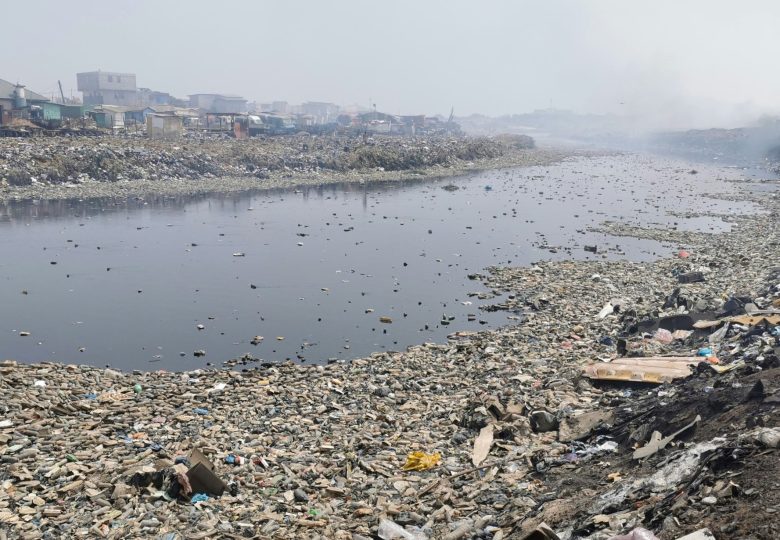
Mountains of waste pollute land and oceans, release toxic gases when burned, and often end up exported to poorer countries without safe recycling.
7. Nature loss & biodiversity decline
What is biodiversity loss?
Biodiversity means the variety of life on Earth. Forests, coral reefs, wetlands, and wildlife are disappearing at alarming rates.
Where does it come from?
-
Deforestation for agriculture and logging.
-
Overfishing.
-
Habitat destruction from cities and roads.
-
Climate change.
Why does it matter?
Nature provides food, clean air, water, and climate regulation. Losing biodiversity means ecosystems collapse – and humanity suffers too.
One of my inspirations